Quicklinks

Quicklinks
Notifications can be turned off anytime from browser settings.
Don’t let kit stress overshadow your race-day performance
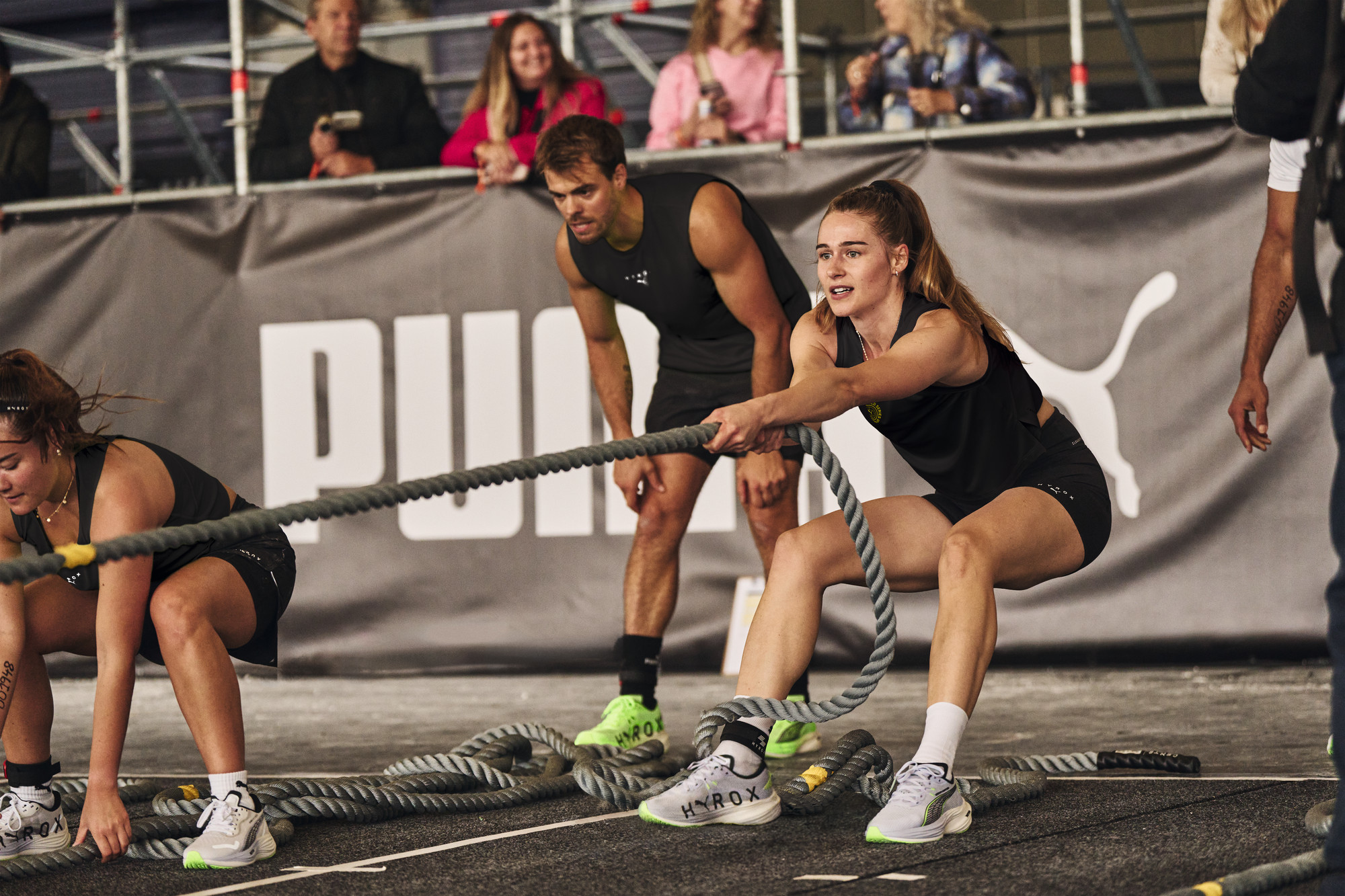
The key to getting HYROX gear right? Functionality, all the way. What you wear or carry should help you excel at running, jumping, pulling, pushing, rowing, carrying, lunging, and throwing. That’s a lot of friction and sweat to throw at your gear.
The HYROX Rulebook is clear on gear. Racers must be “appropriately dressed when preparing for the activities to be undertaken”. HYROX indicates that this includes both environmental factors (think: heat, humidity) and cultural sensitivities (remain aware of your location’s accepted dress).
Two strong statements should not be missed:
HYROX Races are indoors, and overheating is a challenge everyone faces. Choose a lightweight and highly breathable design for competition-level intensity. Safe bet fabrics are made from a combination of performance materials like lyocell, polyester, and elastane.
Performance technology expertly wicks moisture from the body to reduce the build-up of sweat. It’s usually integrated into many core pieces of kit, including sports bras and shorts. Other features to look out for include mesh sections and four-way stretch.
Tight shorts or leggings reduce chafing in activities like burpees. If you’re not a fan of skin-tight shorts, go loose but remain technical to reduce friction.
Shoes are probably the most important piece of kit on your body during a HYROX. It’s worth taking the time to get them right!
Avoid the overly spongy cushioning you find in some road running shoes: instability increases the risk of ankle rolls, and doesn’t provide the feedback helpful for balance and quick turns. Instead, choose a hybrid fitness shoe that delivers at all stations.
Properties that might help in a trainer include:
Every body is different – meaning everyone faces their own challenges on race day. If you use joint support accessories in training, consider bringing them along to the main event (bearing in mind the rulebook advice above).
Hydration accessories like vests or belts are probably unnecessary. The Roxzone (transition area) offers hydration, always with a water station, but sometimes with additional electrolyte or energy drinks on offer too. Hydration in the days leading up to the event is key, too.
Sweatbands help if you know you’re likely to be frustrated by moisture. They catch it before it gets in the way of your performance.
Your feet will be under immense pressure from running, lunging, jumping, and more. The last thing you want is to feel slippage in your socks – or the dreaded blisters! Avoid loose socks that bunch up. Stay well away from moisture-sorbent cotton.
Instead, choose well-designed, moisture-wicking socks that you know work well for you in training. They should cover all parts of your foot that touch your shoes to prevent skin rubbing. A synthetic blend with well-placed padding will offer the best protection. Other features that can help reduce friction and keep the sock in place are arch support and seamless toe boxes.


